
As summer fades and temperatures drop, it’s the perfect time to prepare your vehicle for the changing seasons. Whether you’re commuting daily or planning fall road trips, proactive maintenance ensures your car stays reliable and safe. Take advantage of current service specials in Clarksville to save while staying ahead of seasonal wear and tear.
Why Fall Car Care Matters
Autumn brings fluctuating temperatures, early sunsets, and an increased chance of rain — all of which can impact your car’s performance and safety. From oil changes to brake inspections, here’s what you should focus on this season.
1. How Often Should I Rotate My Tires?
Tire rotation is one of the most overlooked but most important services. It helps ensure even tire wear, prolongs tire life, and improves fuel efficiency.
- Recommended Frequency: Every 5,000 to 7,000 miles
- Why It Matters: Uneven tire wear can affect traction, especially on wet fall roads
- Pro Tip: Schedule your rotation with every oil change to keep it simple
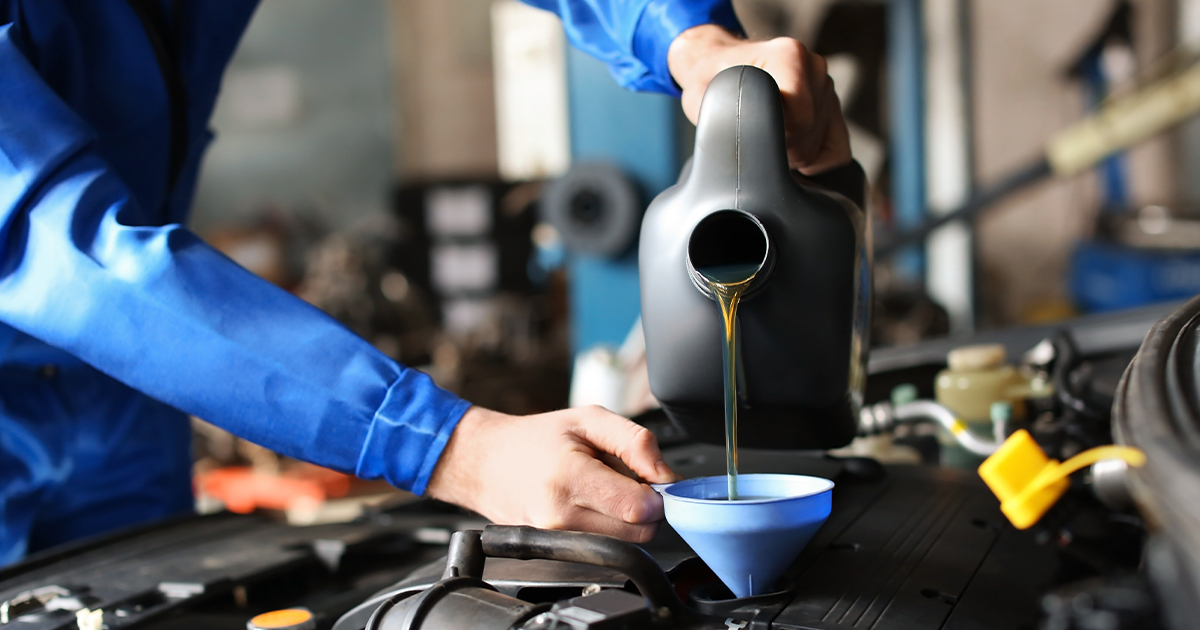
2. When Should I Get an Oil Change?
If you’re unsure about when you should change your oil, the answer depends on your vehicle and driving habits. Here’s a general guide:
- Conventional Oil: Usually needs more frequent changes of around 5,000 miles
- Synthetic Oil: Lasts longer than conventional oil, with intervals of 10,000 miles or more
- More frequent if you drive in stop-and-go traffic, extreme temperatures, or tow heavy loads
- Check your owner’s manual or consult your technician
Scheduling your fall oil change ensures your engine stays lubricated and protected against cooler weather stress.
3. What’s the Difference Between Synthetic and Conventional Oil?
If you’ve ever wondered about the difference between synthetic and conventional oil, here’s a breakdown:
- Synthetic Oil:
- Offers better protection in extreme temperatures
- Flows more smoothly in cold weather
- Lasts longer between oil changes
- Conventional Oil:
- More affordable upfront
- Requires more frequent changes
For fall and winter driving, synthetic oil is often the better choice for optimal performance and engine protection.
4. How Do I Know When My Brakes Need Replacing?
Brakes are critical year-round, but especially when roads get wet and slippery. If you’re worried about your brakes’ condition, watch for these signs:
- Squealing or grinding sounds
- Vibration or pulsation when braking
- Longer stopping distance
- Brake warning light on your dashboard
Don’t wait for a safety issue — a quick brake inspection can prevent costly repairs and dangerous situations.
5. Schedule Vehicle Servicing in Clarksville
From fluid checks to brake inspections and everything in between, fall is the right time to schedule vehicle servicing in Clarksville. A seasonal check-up can catch small problems before they become big (and expensive) ones.
Your fall service checklist should include:
- Oil and filter change
- Tire rotation and pressure check
- Brake inspection
- Battery and charging system test
- Windshield wiper replacement
Ready to prepare your vehicle for fall? Schedule your service appointment now with our certified technicians in Clarksville, TN.
Fall Into Better Car Care
Fall car care isn’t just about maintenance — it’s about peace of mind. From asking “How often should I rotate my tires?” to wondering “What’s the difference between synthetic and conventional oil?”, the answers help you stay informed and safe behind the wheel.
Still have questions? Our experts are here to help. Contact us today for personalized guidance or to schedule your fall maintenance.
Connect with us